How to Choose an In-Home ABA Provider for Your Child in Arizona

In short: In-home ABA therapy in Arizona is often covered by private insurance and AHCCCS (Arizona Medicaid). Start by finding a BCBA-led provider who offers in-home services. Our free matching service, Apply for ABA, connects you with vetted providers in your area, saving you time and ensuring quality care.
Key takeaways
- Verify that the provider is BCBA-led and licensed in Arizona.
- Check coverage under your private insurance or AHCCCS (Medicaid).
- In-home ABA allows natural environment teaching and family involvement.
- Use free matching services like Apply for ABA to find vetted providers quickly.
What Is In-Home ABA Therapy?
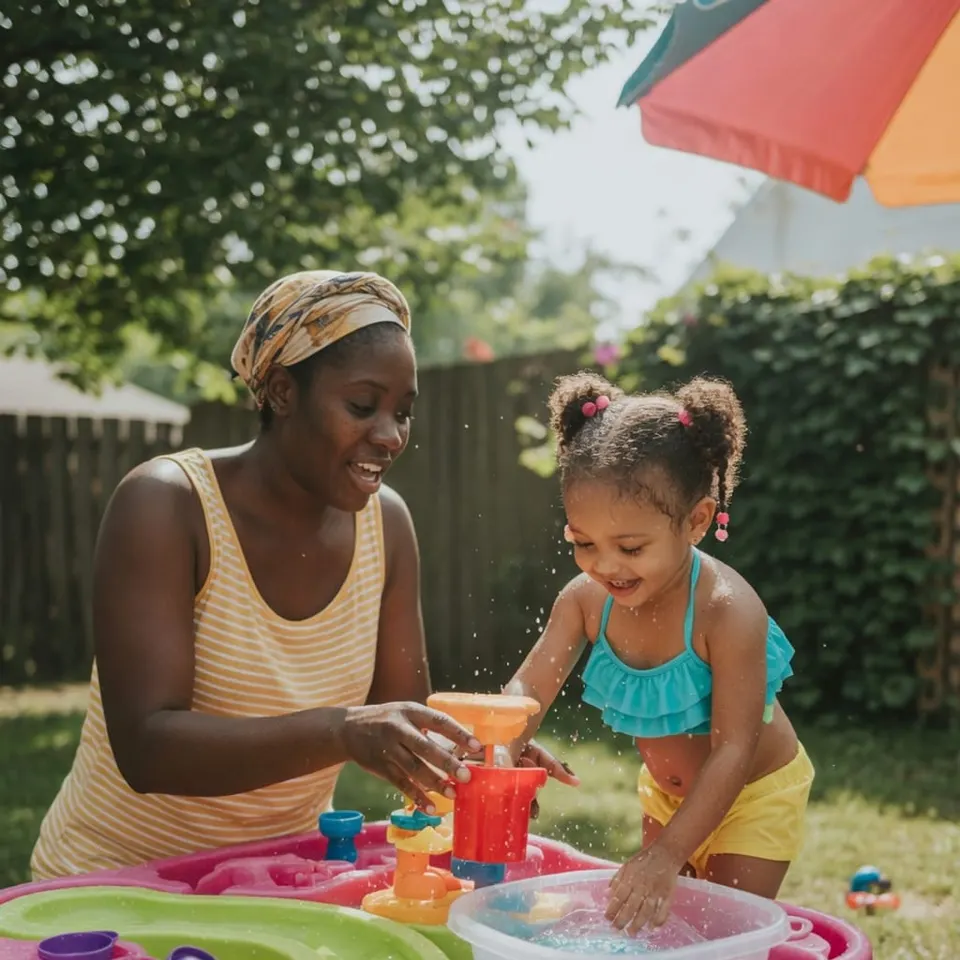
In-home Applied Behavior Analysis (ABA) therapy brings structured, evidence-based interventions directly into your home. A Board Certified Behavior Analyst (BCBA) designs a customized treatment plan targeting communication, social, daily living, and behavioral skills. Registered Behavior Technicians (RBTs) implement the plan during one-on-one sessions, often several times per week, with ongoing BCBA supervision. In Arizona, many families choose in-home ABA because it allows therapy to happen in the child's natural environment-where they live, play, and interact with family members. This setting can make skill acquisition more practical and generalizable to everyday routines.
🔗 Related reading: Respite Care for Michigan Families Raising Autistic Children · Find ABA Near Me
Benefits of In-Home ABA for Arizona Families
In-home ABA offers unique advantages, especially for families across Arizona-from Phoenix and Tucson to Mesa, Scottsdale, and Flagstaff. One key benefit is the convenience of no travel; therapists come to you, eliminating commute time and reducing stress. Another is that therapy takes place in the environment where challenges naturally occur, so skills like requesting, following directions, or transitioning between activities are taught right where they're needed.
Family involvement is also a major plus. Parents and siblings can observe sessions and learn strategies to support the child throughout the day. This collaboration often leads to more consistent progress. For many Arizona families, especially those living in rural areas or smaller towns like Prescott or Yuma, in-home services may be the most accessible option, as center-based care might be far away. Additionally, in-home ABA can be more flexible with scheduling, accommodating after-school hours or weekends.
How In-Home ABA Works: What to Expect
When you start in-home ABA in Arizona, the process typically follows these steps:
- Initial Assessment: A BCBA meets with your family to conduct a functional behavior assessment (FBA) and discuss your child's strengths, challenges, and family priorities.
- Treatment Plan Development: The BCBA creates a written plan with measurable goals, data collection methods, and specific teaching strategies.
- Session Implementation: RBTs provide direct therapy in your home, guided by the BCBA's plan. Sessions range from 10 to 40 hours per week depending on need.
- Ongoing Supervision: The BCBA meets regularly with the RBT and family to review progress, adjust goals, and train parents.
- Family Training: Caregivers receive coaching to reinforce skills and manage behaviors between sessions.
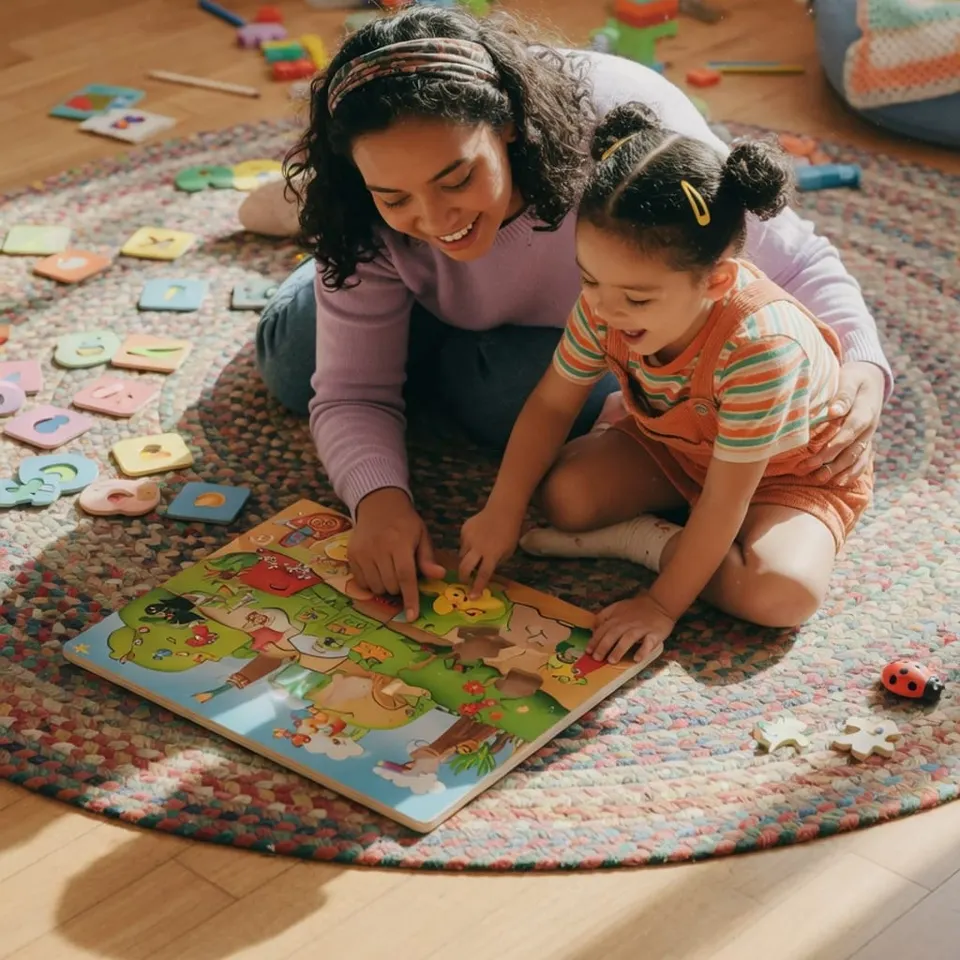
Sessions often focus on play-based learning, communication, self-help skills, and reducing challenging behaviors. The BCBA remains the clinical lead and adjusts the plan as your child develops.
🔗 Related reading: Hyperfocus in Autism: ABA vs Medication · Local ABA Therapy
Insurance and Medicaid Coverage in Arizona
Most private health insurance plans in Arizona-including those from employers and the Health Insurance Marketplace-cover ABA therapy, often without age caps or dollar limits, due to the state's autism insurance mandate (A.R.S. 20-1058, 20-1402, etc.). That means ABA is generally considered a medically necessary, covered service for children diagnosed with autism.
For families with Medicaid, Arizona's AHCCCS program covers ABA through several avenues. Children under age 3 may receive ABA under Arizona's Early Intervention Program (AzEIP) if they qualify. For children ages 3 and older, the Division of Developmental Disabilities (DDD) provides ABA and other therapies as part of a comprehensive plan. Many families also use AHCCCS Complete Care plans, which may include ABA benefits. It's important to verify coverage with the plan directly and ask about prior authorization requirements, copays, or session limits.
How to Choose an In-Home ABA Provider in Arizona
Check Credentials and Licensing
Ensure the provider employs Board Certified Behavior Analysts (BCBA or BCBA-D) who are licensed in Arizona. The Arizona Behavior Analyst Licensing Board oversees licensure. You can verify a BCBA's license and any disciplinary history online. Also, check that RBTs are certified and actively supervised.
Ask About BCBA Supervision
In-home ABA should have a BCBA who conducts regular supervision visits-typically at least two to four hours per month per client, but often more. Ask about the ratio of BCBAs to clients and how often they will meet with your family.
Consider Your Child's Age and Needs
Some providers specialize in early intervention (ages 0-5) while others work with school-age children or teens. If your child is very young, look for providers experienced in developmental play and parent coaching. Older children may require focus on social skills, independence, or transition planning.
Evaluate the Provider's Experience with In-Home
Not every ABA provider offers in-home therapy. Confirm they have a track record of delivering services in homes across Arizona, including your region. Ask about their experience with natural environment teaching and how they adapt their approach to different home settings.
Look for a Personalized, Family-Centered Approach
A good provider will involve you in goal setting, listen to your cultural and family values, and offer flexible scheduling. They should be transparent about their methods, collect data you can understand, and provide regular progress reports. Trust your instincts: choose a team that communicates clearly and respects your family's needs.

Costs and Funding for In-Home ABA
The cost of in-home ABA varies based on hours, provider rates, and insurance coverage. Without insurance, ABA can cost $60-$150 per hour. However, with insurance or AHCCCS/DDD funding, your out-of-pocket may be a copay or coinsurance, or nothing at all if you qualify for full Medicaid benefits.
Many providers in Arizona accept a range of plans. If you don't have insurance, you may explore sliding-fee scales or self-pay options, but this is less common. Arizona's DDD also offers respite care, which can supplement in-home therapy. A free service like Apply for ABA can help you sort through options-they match your family with vetted BCBA-led providers that accept your insurance or state funding, saving you hours of research.
Common Mistakes to Avoid
- Not verifying insurance coverage ahead of time. Before signing with a provider, call your plan and ask about ABA benefits, prior authorization, and in-network vs. out-of-network coverage.
- Choosing a provider without BCBA oversight. Be wary of companies that rely heavily on RBTs with minimal BCBA involvement. Quality ABA always has a BCBA driving the plan.
- Overlooking the self-help and family training components. Effective in-home ABA includes teaching parents how to continue therapy between sessions. If the provider only works with the child, you're missing a key piece.
- Ignoring waitlists. Some Arizona providers have months-long waitlists. Start your search early and consider multiple options, including smaller or newer providers.
- Forgetting to discuss cancellation policies and schedule flexibility. In-home sessions can be interrupted by illness, vacations, or family events. Clarify the provider's policies on missed sessions.
- Not asking about cultural or language match. If you prefer a therapist who speaks a language other than English or understands your cultural background, bring that up during interviews.
How Apply for ABA Can Help
Finding the right in-home ABA provider in Arizona can feel overwhelming, especially when you are already managing the demands of raising a child with autism. That's where Apply for ABA comes in. As a completely free matching service-not a provider itself-we connect you with vetted, BCBA-led agencies that offer in-home therapy in your area. Whether you're in Phoenix, Tucson, Gilbert, or a smaller community like Casa Grande or Lake Havasu, we can help.
You simply tell us about your child's needs, your location, and your insurance or state coverage-including AHCCCS or DDD-and we match you with providers who have openings and accept your plan. We do the legwork so you can focus on what matters: your family. Start your journey by visiting applyforaba.com and taking the first step toward quality in-home ABA in Arizona.