ABA Therapy for 1-Year-Old Autism Signs: What Parents Need to Know

In short: If your 1-year-old is showing early signs of autism, ABA therapy can be highly effective when started early. Our free service matches you with vetted, BCBA-led providers who specialize in early intervention, and ABA is often covered by insurance and Medicaid.
Key takeaways
- Early signs of autism in 1-year-olds include limited eye contact, not responding to name, and delayed babbling.
- ABA therapy for toddlers focuses on play-based learning to build communication, social, and daily living skills.
- Early intervention (starting before age 3) can significantly improve long-term outcomes.
- ABA therapy is typically covered by insurance, including Medicaid, due to its evidence-based status.
Recognizing Early Autism Signs in Your 1-Year-Old
Every child develops at their own pace, but certain early signs may indicate a need for further evaluation. For a 1-year-old, these can include:
- Limited or no eye contact during interactions
- Not responding to their name by 12 months
- Delayed babbling or lack of gestures like pointing or waving
- Loss of previously acquired skills, such as words or social smiles
- Unusual reactions to sensory input, like being overly sensitive to sounds or textures
If you notice any of these signs, it's important to speak with your pediatrician. Early intervention is key, and our free service can help you find a BCBA-led provider who specializes in working with toddlers.

🔗 Related reading: My Child Keeps Running Away: Eloping in ABA Explained · Local ABA Therapy
What Is ABA Therapy for a 1-Year-Old?
Applied Behavior Analysis (ABA) therapy is a scientifically validated approach that uses principles of learning and behavior to teach new skills and reduce challenging behaviors. For a 1-year-old, ABA is delivered through play-based, naturalistic methods that fit seamlessly into daily routines.
How ABA Differs for Toddlers
Unlike therapy for older children, ABA for a 1-year-old focuses on:
- Building foundational skills like joint attention, imitation, and receptive language
- Using natural reinforcement (e.g., a favorite toy or praise) to encourage desired behaviors
- Parent coaching to help you implement strategies throughout the day
- Short, frequent sessions (often 10-15 minutes) to match the child's attention span
The goal is to create a positive, engaging environment where your child can learn and grow.
Why Early Intervention Matters for Autism Signs
Research shows that early intervention, particularly before age 3, can lead to significant improvements in cognitive, language, and social skills. The brain is most adaptable during these early years, making it an ideal time for ABA therapy.
Our free matching service connects families with providers who have experience in early intervention. These BCBA-led teams understand the unique needs of toddlers and their families.
🔗 Related reading: How to Get an Autism Diagnosis in New Jersey · Get ABA Therapy
How to Get ABA Therapy for Your 1-Year-Old
Step 1: Seek an Evaluation
Start by discussing your concerns with your pediatrician. They may refer you to a developmental specialist or an early intervention program. In many states, you can request an evaluation through your state's Early Intervention (EI) program without a formal diagnosis.
Step 2: Understand Insurance Coverage
ABA therapy is widely covered by insurance, including Medicaid, due to its evidence-based status. Most plans require a diagnosis of autism spectrum disorder (ASD) for coverage, but early intervention services may be available without one. Our team can help you navigate these requirements.
Step 3: Get Matched with a Provider
Once you have a referral or diagnosis, our free service can match you with vetted, BCBA-led providers in your area. We consider your location, insurance, and specific needs to find the best fit.
What to Expect in ABA Sessions for a 1-Year-Old
Sessions are designed to be fun and engaging. A typical session might include:
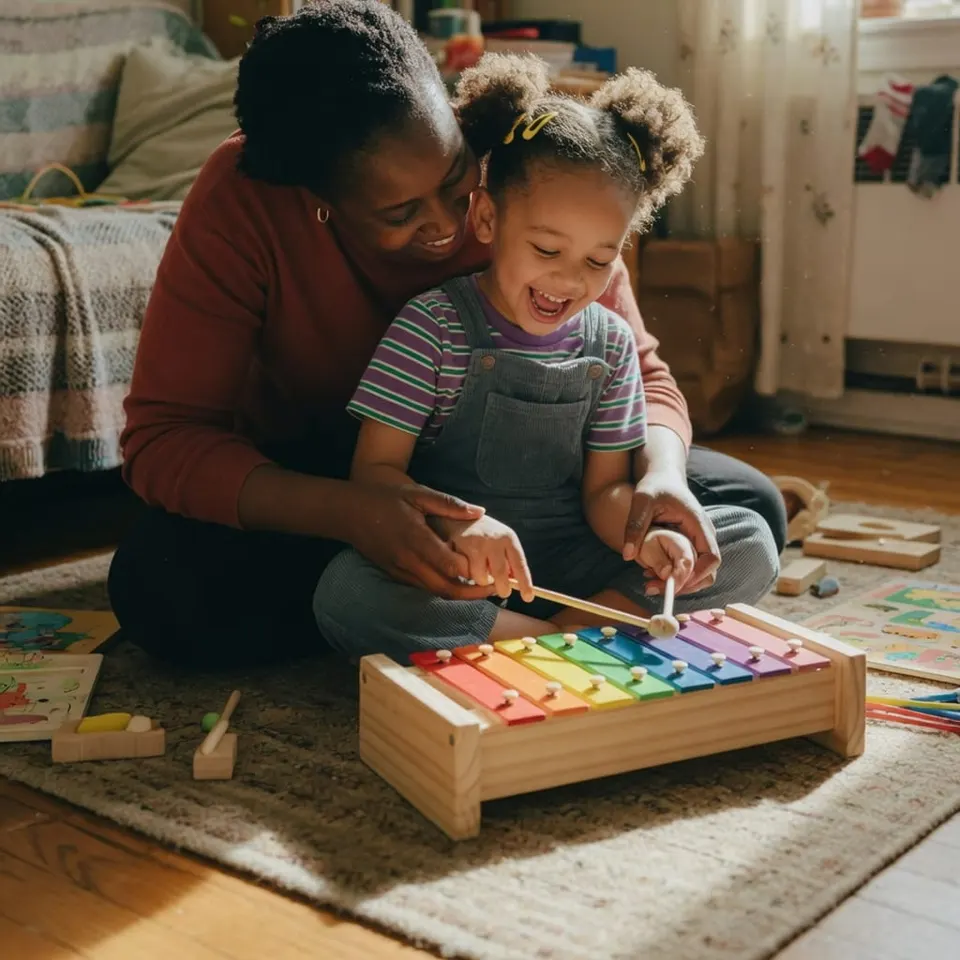
- Playing with cause-and-effect toys to encourage communication
- Modeling simple gestures like waving or clapping
- Using songs and rhymes to promote joint attention
- Practicing turn-taking with a caregiver
The BCBA will also provide you with strategies to use at home, such as how to create a predictable routine or how to use visual supports.
Costs and Insurance for ABA Therapy
The cost of ABA therapy varies widely, but insurance coverage makes it accessible for many families. Key points:
- Private insurance often covers ABA therapy, especially if you have an autism diagnosis.
- Medicaid covers ABA in most states, and some states offer additional early intervention funding.
- Out-of-pocket costs can range from $50 to $150 per hour without insurance, but scholarships and sliding-scale fees may be available.
Our free matching service can help you find providers who accept your insurance and explain your coverage options.
Common Mistakes to Avoid When Starting ABA
- Waiting for a formal diagnosis before starting intervention. Early intervention programs can begin without one.
- Choosing a provider without BCBA oversight. Always ensure the program is led by a Board Certified Behavior Analyst (BCBA).
- Overlooking parent training. Effective ABA includes coaching for parents to reinforce skills at home.
- Expecting immediate results. Progress takes time and consistency.
Our service only matches families with BCBA-led providers who prioritize parent involvement and evidence-based practices.
Practical Tips for Supporting Your 1-Year-Old at Home
While waiting for therapy or alongside it, you can:
- Follow your child's lead during play to build engagement
- Use simple, repetitive language to model communication
- Create a calm, predictable environment with consistent routines
- Celebrate small successes with praise and affection
Remember, you are your child's first and most important teacher. Our free matching service can connect you with professionals who will support you every step of the way.